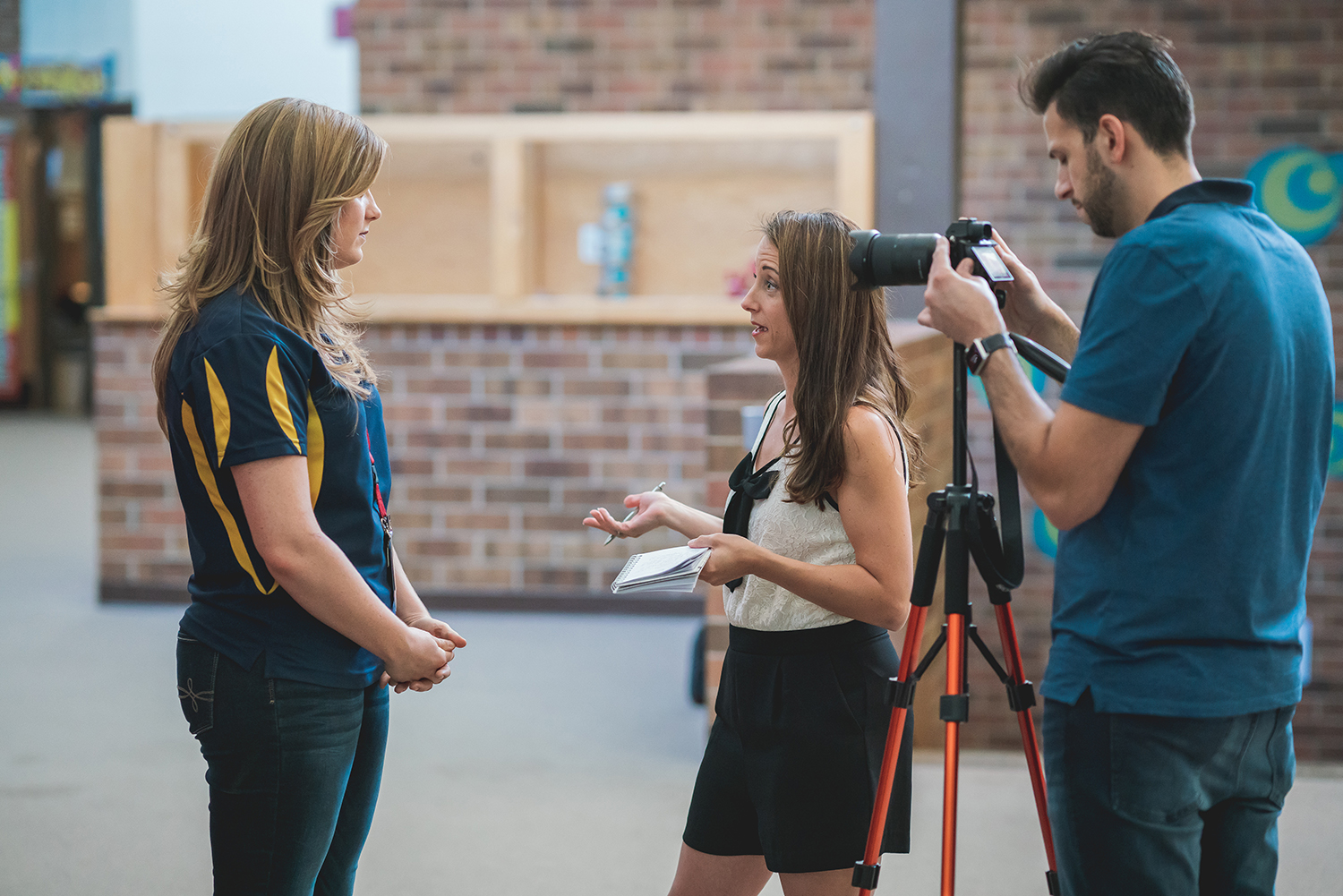
I first learned the power of the “why” 20 years ago. I was the Director of Communications for an elite private school, and my boss – a master of development and storytelling – taught me something that changed the trajectory of my career.
At that point, I had already seen great success using storytelling in my strategic public relations plans for Special Olympics and in higher education, even winning multiple industry awards. But my boss at the private school took it a step further. He didn’t just show me data points on alumni success; he showed me how to interview an alumnus to find the soul of their journey.
When we shared those stories, prospective parents didn’t just see a curriculum; they saw their own child’s future. They felt a sense of belonging because the lived experience in the story matched the promise of the institution. And for donors? By sharing stories of impact relating specifically to their interests (learned through active listening), we surpassed every fundraising goal. Our communications weren’t just buttoned-up; they were intentionally aligned with the donor’s own goals and desires.
That was my aha moment. It’s one thing to have a great brand on paper; it’s another thing entirely for that brand to be true in the hallways.
What is Phenomenology? (Yes, it’s a mouthful.)
Phenomenology (fee-nom-eh-nol-o-gy). It’s a term that makes academics nod, but at its heart, it’s remarkably simple: it is the study of lived experience.
As a researcher, I don’t care about assumed data or surface-level surveys. I want to walk in your stakeholders’ shoes. I want to experience their reality from their viewpoint. This methodology allows us to uncover the hidden gems – those specific, often unwritten stories that make an organization special.
Whether it’s a college student staying the course because of a single 1:1 interaction with a counselor, or an employee who feels invisible despite a “fun” culture, phenomenology finds the truth that numbers miss.
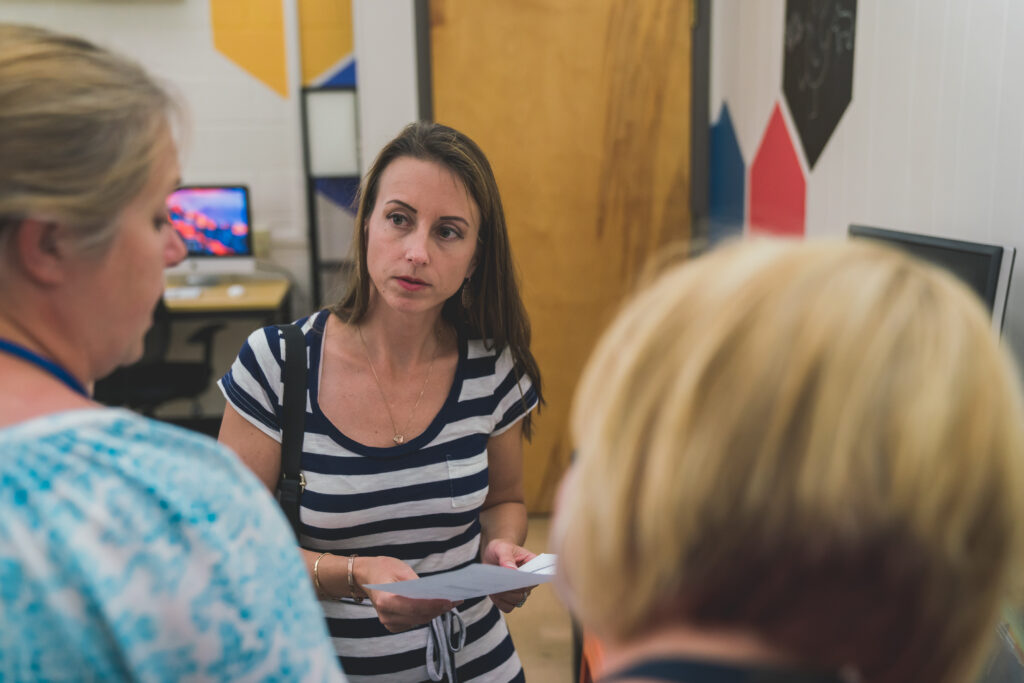
The Phenom Factor: Everyone Has a Story
I like to think of this research as finding the phenom in phenomenology.
I believe that everyone has a phenomenal story to tell – one filled with insights you can actually walk away with and use to improve an organization. But those stories don’t just jump out of a spreadsheet. They require an active listener who is open to exploring and diving deep for meaning. When we take the time to truly listen to the phenomenon of someone’s workday or their journey through a system, we stop guessing and start knowing.
The “So What?”: Why Intentionality Matters
Here is the hard truth: you can’t put lipstick on a pig. Marketing can do an incredible job of getting the right people in the door. But if the lived experience of your employees or customers doesn’t match the hype, they won’t just leave; they’ll become detractors.
When your internal culture is fractured, your external brand will eventually follow. My research is designed to move you out of the tactical loop of putting out fires and into a state of organizational Integrity. We aren’t just making work better; we’re making it match the promise you made to the world.
The Goal: Organizational Integrity
The truth is always in the room – you just have to be willing to hear it.
For 25 years, I’ve been obsessed with the intersection of story, culture, and strategy. I’ve seen firsthand that when an organization’s lived experience aligns with its brand, magic happens: turnover drops, engagement skyrockets, and the bottom line follows suit.
I don’t just do research to fill a report or check a box. I do it to find the phenom in your people, so you can build an environment that is as authentic as the stories it tells. My work is designed to move you out of the tactical loop of putting out fires and into a state of organizational integrity, ensuring the promise you make to the world is the one you are actually keeping.
Are you ready to find out what’s actually happening in your hallways? Whether you are looking for a deep-dive phenomenological study to solve a retention crisis or you want to explore how the CultureComm Model™ can align your team, let’s start listening to the stories your data is missing.

Dr. Amanda Holdsworth, Ed.D., APR is a fractional CCO, CXO, and organizational culture strategist. She works with a select number of education, nonprofit, and corporate clients each year.


